

Packing, Documentation, and Shipping Options
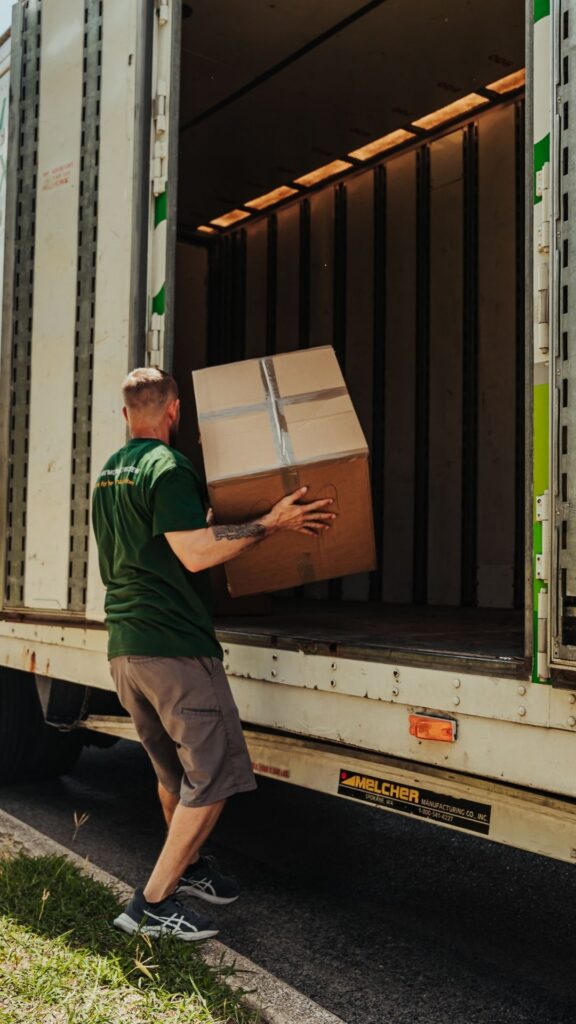
Packing matters more for international shipments than for a typical local move, since belongings may be handled at multiple points along a longer route. Furniture, electronics, and other household items need to be prepared with that extended handling in mind, not just a single truck ride across town.
Professional packing can help protect items through this longer process, but it helps to flag fragile, valuable, or oversized items ahead of time so the right materials and approach can be planned. This is also the point where customers should mention anything unusual, artwork, musical instruments, or equipment that doesn’t pack like standard furniture.
Documentation deserves the same attention as packing. A detailed, accurate inventory is often required for customs purposes, and inconsistencies between documents can slow a shipment down once it reaches its destination. It’s worth double-checking that item descriptions match across every form a customer is responsible for completing.
The shipping method itself depends on the destination, shipment size, timeline, and budget. Ocean freight is common for larger household shipments, while air freight is faster but generally more expensive and better suited to smaller loads. Customers should ask directly how each option affects both cost and delivery timing for their specific move.
It’s also worth understanding what happens once a shipment lands. Who handles customs clearance, who manages the shipment locally, and how is final delivery scheduled? International moves often involve more than one service provider, so knowing who is responsible for what makes the process easier to follow.