

What to Look for in a Cross-Country Mover
Hiring a mover is an act of trust. You are handing over everything from your furniture and electronics to family keepsakes and important documents, so it is worth taking the time to evaluate your options carefully. Here are the qualities that separate a dependable long-distance mover from one that could cause problems.
Proper licensing and credentials: Interstate movers should be registered to operate across state lines. You can verify a company’s registration and look up complaint information through federal resources, and a reputable mover will be happy to point you toward that information. Be cautious of any company that cannot clearly explain its credentials or that operates without a real, verifiable business presence.
Transparent estimates: A trustworthy mover asks detailed questions about your household, may perform a virtual or in-person survey, and explains how the estimate is built. Be wary of quotes that seem too good to be true, arrive without any questions about your inventory, or require a large cash deposit up front. A clear, written estimate that explains what is included lets you compare providers fairly and avoid surprises on moving day.
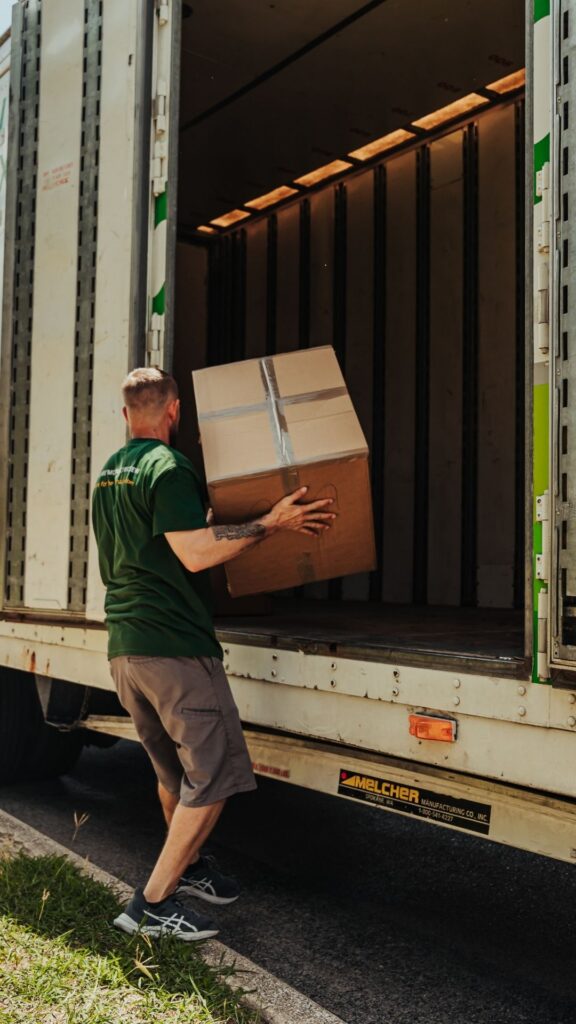
Experienced crews: Long-distance moves are won or lost in the details: how furniture is padded, how boxes are stacked, how the truck is loaded, and how items are secured for thousands of miles of road. Experienced movers use proven methods that protect your belongings and your property. Ask how crews are trained and how your items will be handled from start to finish.
Packing options: Some customers prefer to pack everything themselves, while others want a mover to handle it all. Many choose a hybrid approach, packing the everyday items and letting professionals handle fragile pieces such as dishes, artwork, mirrors, electronics, and large furniture. A good mover offers flexible packing services so you can choose what fits your budget and your schedule.
Storage flexibility: It is common for a cross-country move to have a gap between when you have to leave your Austin home and when you can move into your new one. Closing dates shift, leases overlap, and construction delays happen. A mover that offers secure storage can hold your belongings until you are ready for delivery, which keeps your plans from falling apart when your timeline changes.
Clear communication: You should know who your contact person is, how to reach them, and how you will receive updates. A mover that returns calls, answers questions honestly, and explains the process in plain language is far more likely to deliver a good experience than one that avoids details.
Reputation and reviews: Look at customer feedback across multiple platforms and pay attention to how a company responds to problems. No mover is perfect, but how a business handles a challenge says a great deal about its character. Reviews that mention professionalism, care for belongings, and honest communication are especially valuable.
Insurance and valuation options: Ask what protection is included in your move and what additional coverage is available. Understand how claims are handled and what documentation is required. Knowing this in advance means you will not be scrambling to figure it out if something goes wrong.
When you compare movers using these criteria, you will quickly see which ones are serious about the job. Scobey Moving & Storage is proud to meet these expectations, and we encourage every customer to ask hard questions before making a decision. A confident customer is the best kind, and we are happy to explain exactly how we work.