

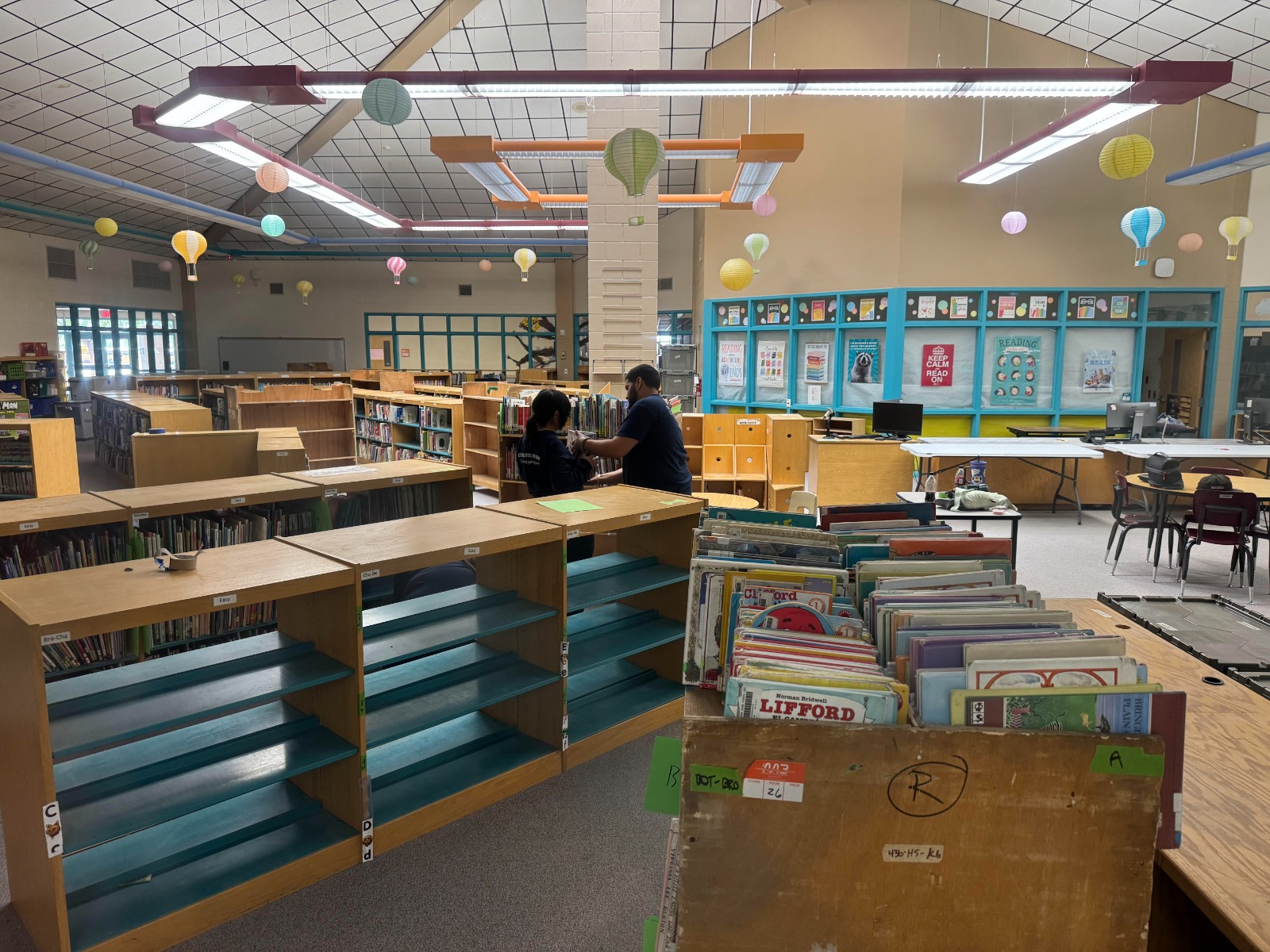
Austin’s business and tech scene has grown at a pace that few cities in the country can match, and with that growth comes a steady stream of office relocations, headquarters moves, and new business locations opening across the city. If you are planning a commercial move in Austin, you already know the stakes are different than a residential move. Every hour your team spends without access to equipment, files, or a working office is an hour of lost productivity, and that cost adds up quickly.
This guide breaks down what makes commercial moves different, the specific challenges Austin businesses run into, and what a well-planned move should actually look like from start to finish.
Why Commercial Moves Are Different From Residential Moves
A commercial move involves more moving parts than a typical household relocation. There is furniture to disassemble and reassemble, sensitive equipment that needs careful handling, and an entire team of employees whose daily routines depend on getting back to work as quickly as possible. Deadlines tend to be tighter too, since most businesses cannot afford to be closed for more than a day or two, if that. A commercial mover needs to plan around your operations, not the other way around.
There is also more coordination involved behind the scenes. Vendors, internet providers, and building management all need to be looped in at the right times, and a mover who understands commercial relocations knows how to work alongside that process instead of adding another layer of confusion to it.
Common Challenges Austin Businesses Face When Relocating
Downtown Austin traffic alone can complicate a move, especially when permits and loading zone restrictions come into play. Many office buildings have specific loading dock hours or reservation systems, and missing that window can delay an entire day’s work. Austin’s tech-heavy business community adds another layer of complexity, since servers, monitors, and specialized office equipment require a different level of handling than desks and filing cabinets. A mover unfamiliar with these details can turn a straightforward relocation into a stressful one.
Parking is another factor that catches many businesses off guard, especially for offices located in the city’s core. Securing a loading permit in advance, coordinating with building management on truck access, and confirming elevator availability for high-rise offices all need to happen well before moving day, not the morning of. Businesses moving into newer developments on the outskirts of Austin sometimes face the opposite problem, with construction still wrapping up nearby and access roads that are not yet fully finished.
What a Professional Commercial Move Includes
A well-run commercial move starts with pre-move planning and an on-site walkthrough, so the moving company understands your space, your equipment, and your timeline before moving day arrives. Furniture disassembly and reassembly should be handled by the crew, not left for your staff to figure out. IT equipment and electronics need to be carefully labeled and packed to avoid mix-ups or damage. Many companies also offer after-hours or weekend moves specifically to reduce the amount of downtime your business experiences.
Moving Specialty Equipment and Electronics
Servers, monitors, and other sensitive electronics require more than bubble wrap. Anti-static wrapping protects delicate components from static discharge during transport, and detailed labeling and inventory tracking make sure every piece of equipment ends up reconnected in the right place. This attention to detail is what keeps your IT infrastructure running smoothly once the move is complete.
How to Prepare Your Team for Moving Day
The businesses that experience the smoothest moves are usually the ones that communicate early. Let your employees know the timeline well in advance so they can plan around it. Label workstations and equipment ahead of time to make setup faster on the other end. It also helps to assign one point of contact within your company to coordinate directly with the moving crew, rather than leaving decisions to whoever happens to be in the office that day.
Consider building a simple moving day guide for your staff that covers what to pack personally, what the movers will handle, and where to report on the first day in the new space. Small touches like this reduce confusion and help employees feel like the transition is organized rather than chaotic, which matters just as much for morale as it does for logistics.
Minimizing Downtime During the Transition
Downtime is usually the biggest concern for any business planning a move, and it is also the most manageable if you plan for it early. Scheduling the physical move for a Friday evening through the weekend, for example, gives your team a full two days to get equipment set up and tested before Monday morning. Phasing the move in stages, rather than shutting down the entire office at once, is another option for larger businesses that cannot afford a full closure.
Working with your internet and phone provider ahead of time to schedule service transfers is one of the most overlooked steps in a commercial move. Nothing slows down a return to normal operations like a team that is back in the building but still waiting on a working internet connection. A moving company that has handled commercial relocations in Austin before can often help you sequence these details so nothing falls through the cracks.
Budgeting for a Commercial Move
Cost is always a top concern when planning a business relocation, and understanding what drives that cost helps you budget more accurately. The size of your office, the amount of furniture and equipment involved, and the distance between locations all play a role. Additional services like after-hours scheduling, temporary storage, or specialty handling for electronics can add to the total, but they often save money in the long run by reducing downtime and preventing damage to expensive equipment.
Getting a detailed, itemized estimate upfront, rather than a rough ballpark figure, makes it much easier to compare moving companies and avoid unexpected charges once the move is already underway. A reputable commercial mover should be willing to walk your space in person and provide a written estimate based on what they actually see, not just a phone call description of your office.
Bringing It All Together
Relocating a business is rarely simple, but it does not have to mean lost revenue or frustrated employees. Commercial moving in Austin, when it is planned properly, keeps your operations running with as little disruption as possible. The difference between a smooth move and a stressful one usually comes down to how much planning happens before the truck ever shows up.
Austin Businesses Rely on Scobey for Seamless Relocations
Scobey Moving and Storage has spent decades helping Texas businesses relocate without missing a beat. Our dedicated move coordinators work directly with your team to build a plan around your schedule, not the other way around. Our crews are trained to handle everything from office furniture to sensitive IT equipment with care. We also offer flexible scheduling, including after-hours and weekend moves, along with secure storage solutions if your new space is not quite ready. If your business is planning a move, request a free commercial moving quote from Scobey and let us handle the logistics while you focus on running your business.
Frequently Asked Questions
How long does a commercial move in Austin typically take?
Most office moves take one to three days, depending on the size of the space and the amount of equipment involved. A detailed walkthrough beforehand helps set an accurate timeline.
Can commercial moves happen after business hours or on weekends?
Yes, many moving companies, including Scobey, offer after-hours and weekend scheduling specifically to minimize disruption to your operations.
Does Scobey handle IT and server relocations?
Yes, our crews are trained to pack, label, and transport sensitive electronics and IT equipment with the extra care they require.
How much does commercial moving cost in Austin?
Costs vary based on the size of your office, the distance of the move, and any specialty equipment involved. A free on-site estimate is the best way to get an accurate number.
Do you offer storage for office furniture during a move?
Yes, secure storage options are available if your new space is not fully ready or if you need to store furniture temporarily during a transition.

Eric Barker is the Vice President of Commercial Services at Central Transportation Systems and a recognized voice in the moving and relocation industry. With over a decade of experience in military household goods logistics, operations, and commercial moving services, Eric has played an active role in shaping conversations around the future of PCS (Permanent Change of Station) moves and military relocation policy. He currently serves on the board of the Southwest Movers Association and the IAM DAB DMV (International Association of Movers, Distinguished Agents Board, DMV chapter), reflecting his ongoing commitment to industry leadership and standards. He recently joined industry leaders at the 50th Annual Dispatchers Convention to discuss the major structural changes affecting military moving in 2026. Through his leadership and operational expertise, Eric helps ensure military families receive reliable, efficient, and professionally coordinated moving services during periods of significant industry transition.