

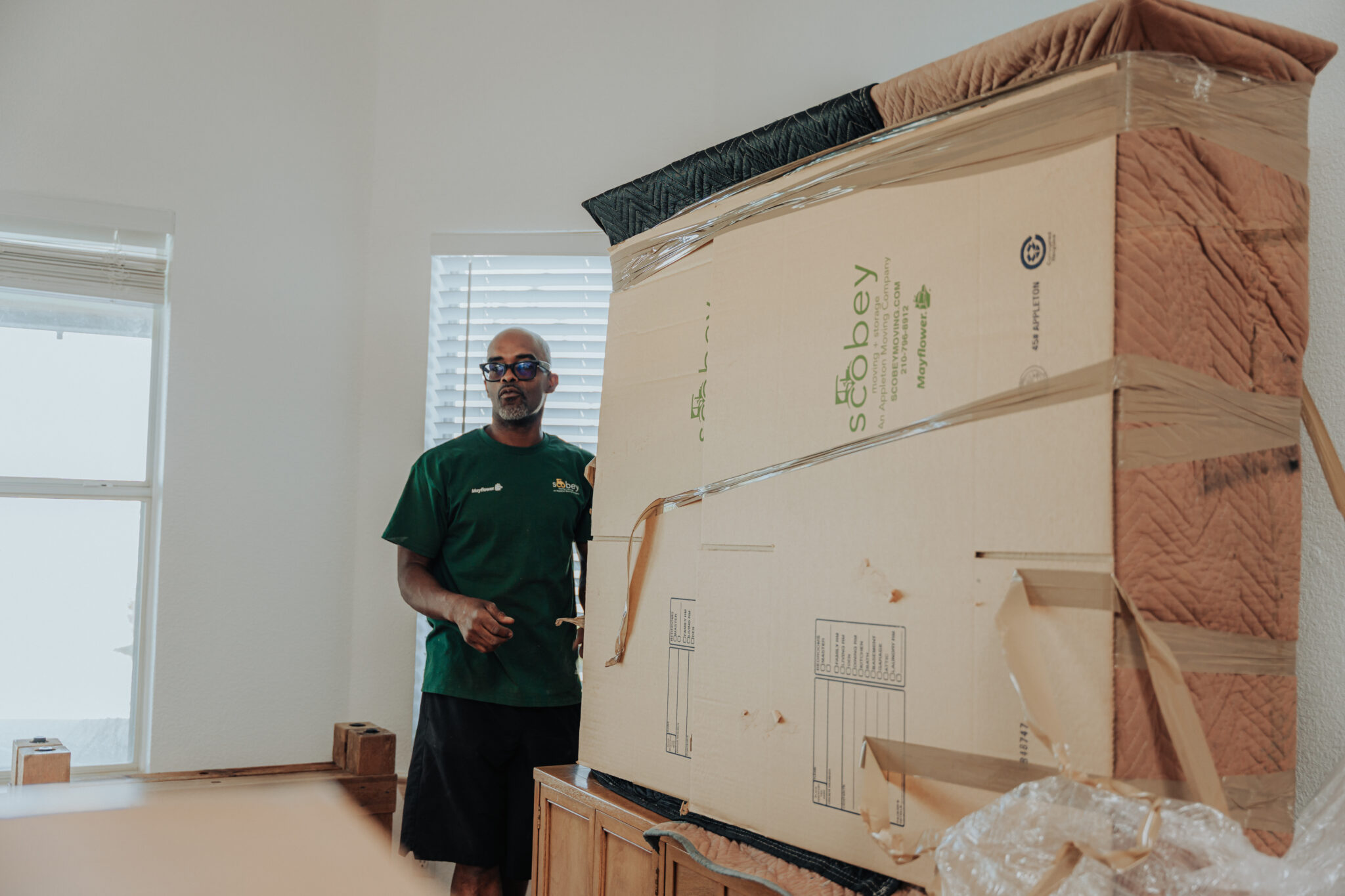
The best way to think about a move is as a single continuous service rather than a series of separate tasks handed off between different people. From the first box packed to the last picture hung on the wall in the new home, everything in between should be treated as one connected process, not a handoff between a packing crew, a driving crew, and whatever the homeowner manages to figure out on their own once the truck pulls away. That is the entire idea behind full-service white glove moving in Waco, and it is a very different experience from booking transport and hoping the rest works itself out.
Most of the stress associated with moving does not come from any single step. It comes from the gaps between steps, the moment packing ends and loading begins, or the moment the truck arrives and unpacking has to start from scratch. Full-service moving is designed specifically to close those gaps, so the process feels like one coordinated job from start to finish instead of three or four disconnected ones.
This matters more in Waco than homeowners might initially assume. A growing city with a mix of century-old homes and newer construction spreading through Woodway and Hewitt means moving logistics can look very different from one job to the next, and a crew that treats packing, transport, and placement as three separate services often struggles to adapt when a home’s layout or access points throw off the plan. A team trained to handle every stage under one roof carries context from the first walkthrough all the way through the final box unpacked, which is exactly the kind of continuity that piecemeal moving cannot offer.
Step One, Professional Packing
A full-service move starts with a room-by-room inventory, giving the crew a clear picture of what needs to be packed, what needs special handling, and roughly how much material and time the job will require. From there, protective materials are matched to the items being packed: sturdy boxes and packing paper for everyday items, and more specialized padding or crating for anything fragile or high-value.
Labeling matters more than most homeowners expect. A box marked only “kitchen” is far less useful on the other end than one labeled with both the room and a general description of contents, since that level of detail is what allows an unloading crew to place boxes directly in the correct room rather than creating a pile that has to be sorted later. Careful labeling during the packing phase is one of the simplest ways a full-service crew sets up a smooth unload days or weeks later.
Packing order matters just as much as labeling. A skilled crew packs less frequently used items first, such as off-season clothing or decorative pieces, while leaving daily essentials for last so they are the easiest to access both during the final days before the move and immediately after arrival. This sequencing is a small detail on paper, but it is one of the clearest signs of an experienced packing crew versus one working without a real system.
Step Two, Careful Transport
Once everything is packed and loaded, secure transport becomes the priority. Furniture and boxes need to be arranged and braced so that nothing shifts significantly during the drive, which matters just as much for a short trip across Waco as it does for a longer haul. Texas heat adds another consideration, since a truck sitting in direct sun for an extended period can reach temperatures high enough to affect wood furniture, electronics, and certain finishes, which is why climate awareness during loading and route planning is part of a properly run full-service move.
Route planning matters just as much when a move is headed out of Waco. I-35 is the primary route out of the city toward Dallas, Austin, Houston, or points beyond, and construction activity and shifting traffic patterns along that corridor can add real time to a moving day if a crew has not planned around them. A crew that knows the fastest way to get a loaded truck out of Waco and onto the highway avoids unnecessary delays that can throw off a tightly scheduled moving day.
Securing the load properly is just as important as the route itself. Furniture is positioned and braced to prevent shifting, with heavier items placed low and toward the front of the truck and fragile or lighter pieces protected from pressure. This kind of load planning takes more time upfront than simply loading items as they come off the truck ramp, but it is the difference between belongings arriving exactly as they were packed and a homeowner discovering shifted or damaged items after a long drive.
Step Three, Placement and Setup
This is the step that separates full-service moving from basic transport most clearly. Rather than boxes and furniture simply being dropped inside the front door, a full-service crew arranges furniture according to a room plan discussed ahead of time, assembles beds and other furniture that had to be disassembled for transport, and unpacks boxes into their appropriate rooms rather than leaving that work for the homeowner.
The goal is for the home to feel functional the same day the crew leaves, not just full of boxes waiting to be dealt with over the following weeks. A bed that is assembled and made, a kitchen with dishes already unpacked into cabinets, and a living room with furniture already arranged make an enormous difference in how quickly a household actually starts to feel settled.
This stage is also where a room plan discussed ahead of time really pays off. Rather than a crew guessing where a dresser or a bookshelf should go, walking through the layout in advance, whether during an in-home consultation or through photos and measurements shared ahead of the move, means furniture placement happens once and correctly, instead of being rearranged multiple times after the crew has already left.
Why Full-Service Saves Time and Reduces Damage Risk
Every additional handoff in a move is another opportunity for something to go wrong, whether that is an item getting lost, a piece of furniture getting damaged, or simply time being wasted while different people coordinate around each other. Full-service moving reduces the number of these handoffs significantly, since one accountable team handles the process from packing through placement rather than passing responsibility between separate packing services, a trucking company, and the homeowner’s own effort to unpack.
Fewer touchpoints also means fewer chances for miscommunication. A crew that packed a box knows exactly what is inside it and how it should be handled, which is a level of continuity that gets lost when packing and unloading are handled by different people working from limited information. That continuity is a large part of why full-service moves tend to result in less damage and less time lost overall compared to piecing the process together from separate vendors.
There is also an accountability benefit that is easy to overlook until something actually goes wrong. When one company handles the entire process, there is no question about which vendor is responsible if an item is damaged or missing. Piecemeal moving, by contrast, can leave a homeowner stuck trying to determine whether damage happened during packing, loading, transport, or unloading, with each vendor potentially pointing to another. A single accountable team removes that ambiguity entirely.
What Full-Service Costs Compared to Booking Services Piecemeal
Bundling packing, transport, and unpacking into a single full-service plan generally offers better overall value than hiring separate packers, movers, and unpacking help individually, even though the upfront number on a full-service quote can look larger at first glance. Piecemeal moving often comes with hidden costs that are not obvious until the process is already underway: coordination time spent managing multiple vendors, gaps in accountability if something goes wrong, and the homeowner’s own time spent unpacking that could otherwise go toward settling into a new job or a new school year.
A detailed, in-home or virtual walkthrough is the best way to get an accurate full-service estimate, since pricing depends heavily on the volume of belongings, the level of packing service needed, and any special handling required for fragile or high-value items. Homeowners weighing bundled value against piecemeal pricing should ask for a clear breakdown of what is included in a full-service quote, so the comparison to hiring separate services is accurate rather than based on assumptions.
It also helps to think beyond the moving day invoice alone. Piecemeal moving often shifts real costs onto the homeowner in less obvious forms: lost work hours spent coordinating multiple vendors, replacement costs for items damaged during an uncoordinated handoff, or simply weeks spent living out of boxes because unpacking never made it onto anyone’s schedule. A full-service plan bundles these costs into a single, predictable quote rather than letting them surface unexpectedly after the move is technically complete.
How to Prepare Your Home Before the Crew Arrives
A few simple steps before moving day help a full-service crew work efficiently and safely.
- Clear pathways through hallways, stairwells, and entryways so the crew can move furniture and boxes without navigating around obstacles.
- Set aside essentials you will need immediately, such as medications, chargers, and a change of clothes, in a clearly marked bag or box that will not get loaded onto the truck with everything else.
- Confirm parking and access details ahead of time, particularly for homes in areas with HOA restrictions or limited street parking, so the crew can plan the truck’s arrival without delays.
- Communicate any last-minute changes to the inventory or timeline as early as possible, since a full-service crew can generally accommodate adjustments more smoothly with advance notice.
What homeowners generally do not need to do anymore with a full-service move is pack boxes themselves, break down furniture, or plan out how everything will fit into the new home ahead of time. That planning and physical work is handled by the crew as part of the full-service process.
That shift, from managing every task personally to simply preparing the space and communicating priorities, is often what homeowners appreciate most once they experience a genuinely full-service move for the first time. The physical and mental effort that used to consume days or weeks of a relocation gets absorbed into the crew’s process instead, leaving the household with far more time and energy for everything else a move requires.
Full-Service Moving Whether You Are Staying in Texas or Leaving It
One point worth clarifying directly is that full-service white glove moving is not limited to long-distance or multi-state relocations. It applies just as fully to moves that stay entirely within Texas as it does to interstate moves crossing into another state. The distinction that actually matters here is between interstate and intrastate moving, not between “long distance” and “local.” A move from Waco to Houston covers real distance and real logistics, but it stays entirely within Texas, which makes it an intrastate move rather than an interstate one. Interstate moves that cross state lines fall under federal regulation through the Federal Motor Carrier Safety Administration, while moves that stay within Texas are instead regulated at the state level through the Texas Department of Motor Vehicles. That distinction affects which rules and protections apply to your move, which is why it is worth understanding rather than assuming every long-distance move is treated the same way.
For a Waco household relocating to Fort Worth or Houston, that means the move qualifies as intrastate and falls under Texas state regulation, even though the distance involved is substantial. Full-service white glove handling applies the same way regardless of which category the move falls into, since the level of care a household’s belongings deserve does not change based on which regulatory framework governs the trip.
This is a distinction worth raising directly with any mover you are considering, since a company that conflates “local” with “interstate” in its own marketing may not have a fully accurate understanding of how these moves are actually regulated. Working with a mover who can explain the difference clearly is a good sign that the rest of their process is just as carefully thought through.
The Job Isn’t Done Until Everything Is Placed and Functional
Full-service white glove moving in Waco means the job is not considered finished when boxes are delivered to the right rooms. It is finished when furniture is assembled, boxes are unpacked, and the home is functional enough for daily life to resume without a lingering backlog of moving-related tasks. That standard applies whether the move covers a few miles across town or several hundred miles to another Texas city, and it is the difference between a move that ends at the front door and one that ends with a household actually settled in.
A Seamless Process From Start to Finish
Scobey Moving and Storage handles every stage of the move in-house, pairing local Waco knowledge with Mayflower Transit’s national resources for a seamless start-to-finish experience. Whether your move is staying within Texas or crossing state lines as part of an interstate relocation, our full-service team handles packing, transport, and placement with the same standard of care from beginning to end. If you’re moving out of Waco to another Texas city or out of state, our long-distance moving from Waco page covers what to expect. Learn more about our full-service moving approach, or get a full-service quote today through our contact page.
Frequently Asked Questions
What is included in a full-service move from start to finish?
A full-service move includes professional packing with a room-by-room inventory, secure transport, and placement and unpacking at the new home, including furniture assembly and boxes unpacked directly into the correct rooms.
Do full-service movers unpack boxes at the new home?
Yes. Unpacking is a standard part of full-service moving, along with placing furniture according to a room plan discussed ahead of time, so the home is functional rather than filled with unopened boxes once the crew leaves.
How long does a full-service white glove move typically take?
Timing depends on the size of the home and the distance involved. A full-service local move for an average household typically spans one to a few days from packing through final placement, and long-distance moves add travel time on top of that. Your Move Consultant can provide a more specific timeline based on your home’s size and your move’s distance during the estimate process, and larger homes with extensive packing needs should plan for a timeline on the longer end of that range.
Is full-service moving available for moves that stay within Texas, not just multi-state relocations?
Yes. Full-service white glove moving applies fully to intrastate moves that stay within Texas, just as much as it does to interstate moves crossing state lines. The level of care and service included does not change based on which category the move falls into.
Can I choose which parts of the full-service process I want, or is it all or nothing?
Full-service plans can generally be scaled to fit a household’s specific needs, whether that means full packing and unpacking support or a lighter version focused on the most demanding parts of the move. Discussing your priorities with a Move Consultant during the estimate is the best way to build a plan that fits your situation.

Rachel Mance, CMC, is a seasoned relocation professional with over a decade of experience in the moving and relocation industry. As a Certified Moving Consultant and Director of Sales at Scobey Moving & Storage, part of Central Transportation Systems, she specializes in delivering seamless, personalized moving solutions for families and corporate clients. Rachel is recognized for her expertise in sales leadership, operational strategy, and enhancing the customer experience. She actively engages with industry organizations, contributing to professional standards and networking initiatives. Based in San Antonio, Texas, Rachel combines practical experience and industry insight to guide clients through complex domestic and international moves.