

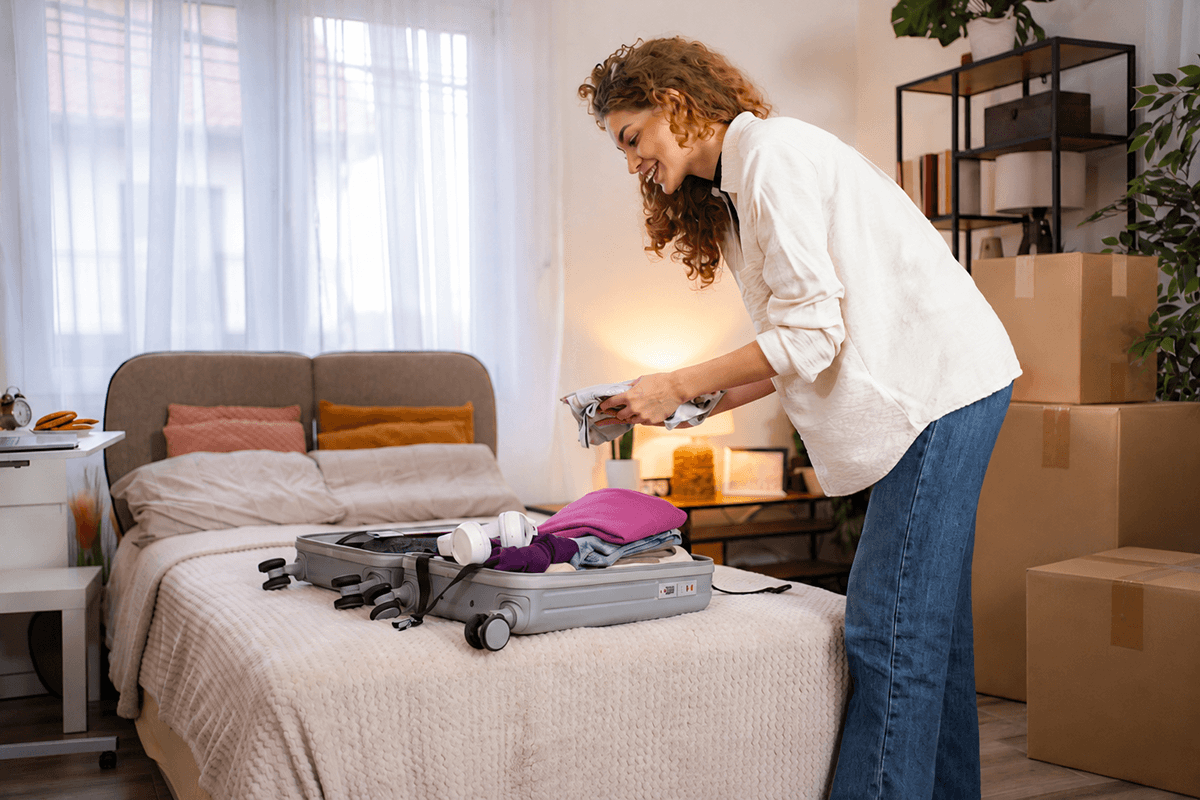
Packing can feel overwhelming when you’re sorting through years of belongings. A moving essentials box gives your important papers, medications, and small valuables a place to travel with you, separate from the household shipment.
You may need your identification for an appointment, your medication during the journey, or the keys when you reach your new home. If those items are packed with the furniture, they could still be on the truck when you need them.
So which belongings should travel with you, and how can you keep them separate while the rest of your home is packed?
For a timeline to help you prepare before moving day, download our free, downloadable PDF moving checklist.
Which important items should travel with you?
Once a document is packed, finding it again can mean opening several boxes. Set aside the papers and small belongings you’ll carry with you before anyone starts packing your home office.
Your list might be a little different, but here’s a list of items to keep with you:
• Identification and personal records: Passports, birth certificates, Social Security cards, and marriage or custody documents.
• Home and vehicle papers: Closing or lease paperwork, deeds, vehicle titles, and documents requested for an appointment during the move.
• Financial items: Checkbooks, relevant account information, and safe-deposit keys.
• Health essentials: Prescriptions, glasses, hearing aid supplies, and medical or immunization records you may need before unpacking.
• School and pet records: Papers you’ve gathered for the new school, veterinary records, vaccination information, and microchip details.
• Moving paperwork: Your estimate, moving contract or bill of lading, inventory documents as you receive them, and your moving team’s current contact information.
• Small valuables: Cash, jewelry, a laptop or tablet, and backup drives containing personal files.
Keep important originals together, and put any papers you’ll need during the trip where you can reach them easily.
If you have a closing or another appointment during the move, check with that office ahead of time about what to bring.
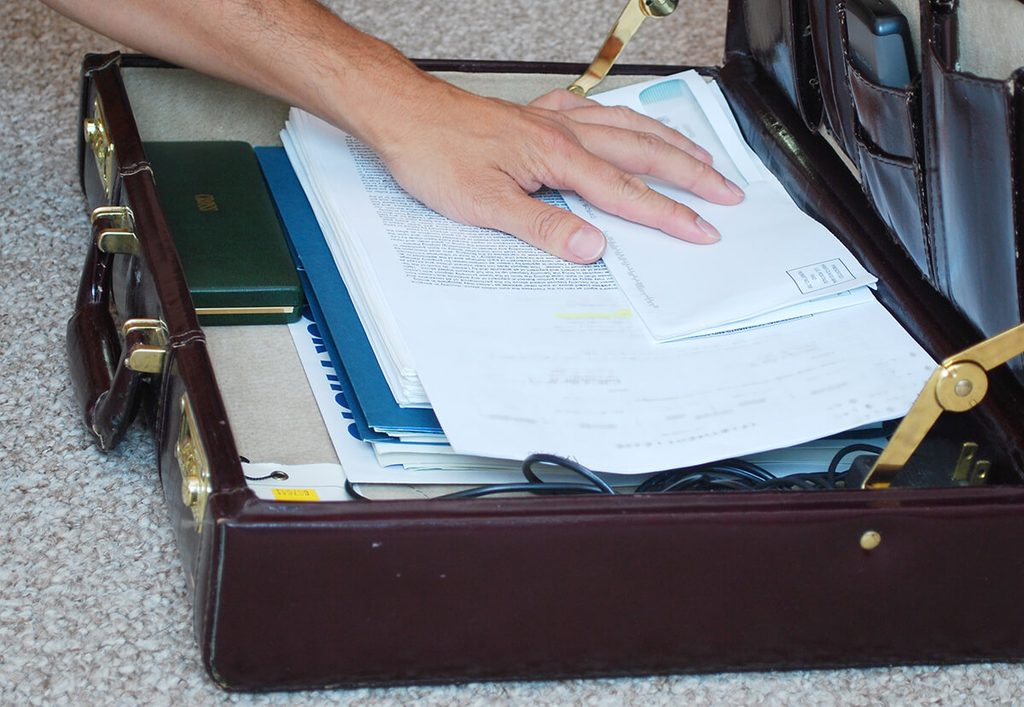
How should you pack papers, medication, and valuables?
Putting everything in one bag can leave you digging for what you need. You don’t want to untangle a necklace from a charger or empty the bag to find a document that slipped underneath your laptop. Use separate pockets, pouches, or cases to keep smaller items organized instead of leaving everything loose in your bag.
A closing folder or zippered document case can keep papers together. Use separate sleeves for appointment paperwork and moving documents so you can reach the right set without spreading everything across a counter.
• Place jewelry in a small case.
• Protect electronics in suitable sleeves.
• Keep medication accessible. Follow its storage instructions, and ask your pharmacist about any special arrangements needed for the journey.
Pro tip: Your container should be comfortable to carry into a hotel or appointment. If a single box becomes awkward, divide the contents between a document bag and another manageable bag. A couple of smaller bags may be easier to manage along the way.
How do you keep these items out of the moving truck?
A bag beside the front door can look like another item ready for loading. Choose a separate spot for personal belongings and show each helper that spot.
Show the crew which bags and boxes you’re taking with you. Add a label such as “stays with customer” so helpers can identify them without listing the valuables inside.
If you’ve booked full service movers (also called turnkey or white glove movers), they can handle the household packing included in your plan while you get your personal bags ready for the trip.
Decide who will carry each bag, especially if members of your household are traveling separately. Before leaving, check with each person that they have their assigned bags, keys, and phone.
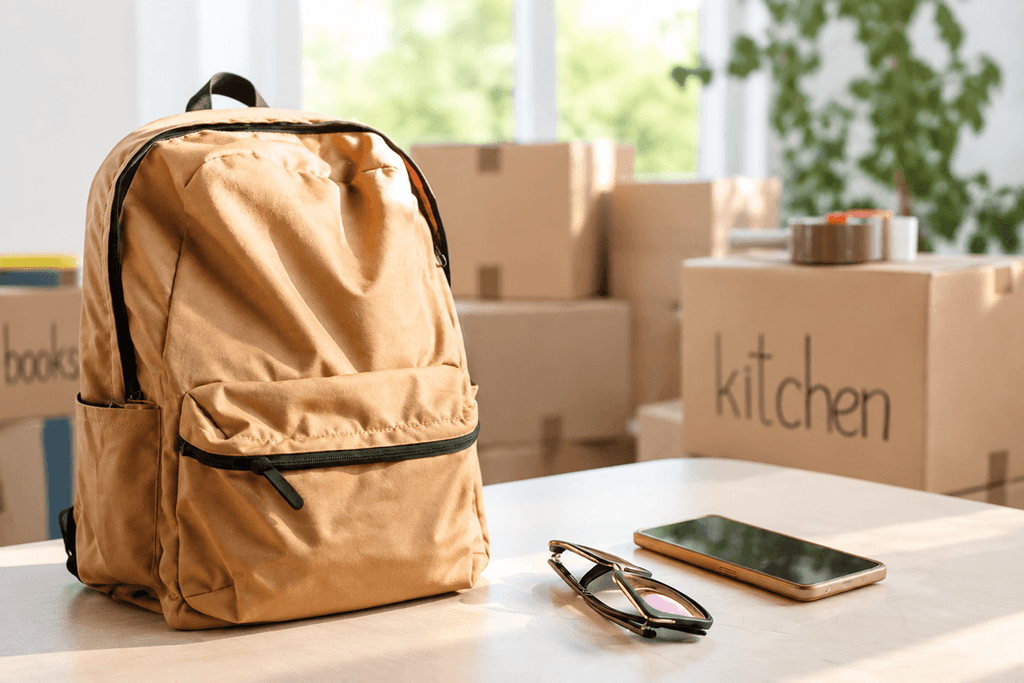
What should you set aside if you’re packing at the last minute?
You might have weeks to organize the paperwork, or your packing appointment might be tomorrow. Start with the things you want to keep accessible, whichever timeline you’re working with.
Gather identification, prescriptions, house keys, appointment papers, and the moving documents you’ve received. Then check drawers, a home safe, and any other place where you keep small valuables. Add the remaining records as you find them.
For a move on short notice, keep the initial task manageable: identify the personal bags before the rest of the packing gets underway. Tell the team immediately if you’ve realized an important item may be in a carton awaiting collection. Explain what you’re looking for before that carton is loaded.
At overnight stops, bring documents and valuables indoors with you. In the new home, choose a private place for them while the crew works through the household delivery.

How to keep your essentials close with help for the rest of your move
Keeping personal items with you is a small (but important) part of preparing for a move. The rest can include packing the kitchen, protecting furniture, and working out pickup and delivery arrangements.
Full service movers can take on the moving work you’ve chosen, leaving you more time for the appointments and travel only you can handle. Explain what you’re keeping personally and discuss how much packing help you’d like.
Scobey Moving & Storage would love to help you plan the household move around those needs. A Move Consultant can talk through the available services and the belongings you’ll carry separately.
Want help with your packing and moving plan? Contact Scobey today.
Frequently Asked Questions
A moving day essentials box should include the papers, medication, keys, small valuables, and personal electronics you want to keep accessible. Set those items aside before the Scobey team begins the packing included in your move.
Keep identification, important personal records, home or lease paperwork, financial documents, and your moving agreements with you. Include medical, school, and pet records relevant to your household, and check appointment-specific requirements with the office requesting them.
Choose a container you can carry comfortably and keep close during travel. A document case and a separate personal bag may work better than one large carton; tell your Scobey Move Consultant which containers will stay with you.
Important documents and small valuables aren’t automatically banned from the moving truck, but they’re best kept with you so you can reach them during the move. Ask your Scobey Move Consultant about any restrictions on the specific items you plan to send.

Eric Barker is the Vice President of Commercial Services at Central Transportation Systems and a recognized voice in the moving and relocation industry. With over a decade of experience in military household goods logistics, operations, and commercial moving services, Eric has played an active role in shaping conversations around the future of PCS (Permanent Change of Station) moves and military relocation policy. He currently serves on the board of the Southwest Movers Association and the IAM DAB DMV (International Association of Movers, Distinguished Agents Board, DMV chapter), reflecting his ongoing commitment to industry leadership and standards. He recently joined industry leaders at the 50th Annual Dispatchers Convention to discuss the major structural changes affecting military moving in 2026. Through his leadership and operational expertise, Eric helps ensure military families receive reliable, efficient, and professionally coordinated moving services during periods of significant industry transition.