


What’s the one thing in your home that would make your heart sink if it arrived at your new front door in pieces?
As professional Texas antique movers, we know that all your belongings are important and must be handled with care. But some items just hold an extra special place in your heart. Protecting irreplaceable items during a move is a non-negotiable.
Your wedding dress.
An heirloom rocking chair that needs specialty packing.
The heavy oak desk where your father wrote in his journal.
These aren’t just “units” to be checked off on a moving manifest. They’re part of your history and anchors of your home.
When you’re moving, it’s important to know that your items will arrive safely at your new location. And if you’re feeling a bit protective (or even a little panicked), it’s just a sign that you need a mover that values your history as much as you do.
A solid moving plan is like a roadmap to your vacation destination: there are several stops along the way. Let’s talk about the steps to go from worried to confident when it comes to moving your treasured possessions.

Your Legacy Roadmap (Stop #1): Define Your “Non-Negotiables”
Before you can protect your heirlooms, you’ve got to know which items make the cut. Not every chair is an heirloom, and not every box needs “white glove” specialty packing treatment. The first phase of your “Legacy Roadmap” is to identify the pieces that are truly one-of-a-kind.
In the logistics of moving, it can be easy to forget to mention every item. Instead of maintaining a running mental list, grab a pack of neon stickers. Walk through your home and place a sticker on anything that would be impossible to replace at a furniture store.
This helps you identify special belongings that might need a bit of extra love.
Here are some ways to “flag” these items:
- The Story Test: If an item has a story attached to it, it goes on the list.
- The “Weight” Factor: Identify heavy, awkward items like pianos or marble-top vanities that require more than just muscle. They require a plan with experienced specialty movers and the right valuation coverage.
*Pro Tip: Scobey’s Pre-Move Survey can provide you with an accurate, no-obligation quote that identifies items that need extra care in handling.
Legacy Roadmap (Stop #2): Understand Antique Movers’ Valuation and Insurance Coverage
A quality mover prioritizes getting your belongings safely from your old home to your new. But what if the unexpected happens? You likely have questions about how your treasures are covered if the unexpected happens. Understanding the difference between basic moving liability and full value protection is a key part of feeling prepared.
Moving companies are required by law to offer two levels of valuation coverage: released and full-value. Released value protection is based on weight, and covers $.60 per pound per item. When it comes to protecting irreplaceable items during a move, “cents per pound” rarely reflects the item’s true value. Ask your moving partner about full valuation coverage that covers the actual replacement cost of your unique items. That way, items are protected and you can breathe a little easier.
Make sure to:
- Check your homeowners policy: See if your current insurance offers any coverage during a move. Your mover can also recommend third-party insurance providers if needed.
- Disclose high-value items: It’s important to document high value items ($100 per pound or more) with your antique movers so that they’re aware.
- Gather your paperwork: If you have recent appraisals for jewelry or antiques, keep those documents in a safe, easy-to-reach folder.
*Pro Tip: Use your phone to document your items. Take a quick video of each stickered item, narrated by you, explaining its current condition. It’s faster than a written list and shows you exactly how the item looked pre-move.
Legacy Roadmap (Stop #3): Determine Specialized Packing Needs
Some items just don’t fit into (or are too fragile) for a standard cardboard box. Does your oversized mirror need specialty packing services? The next stop on the road to protecting irreplaceable items during a move is deciding which pieces require professional-grade materials to make the trip safely.
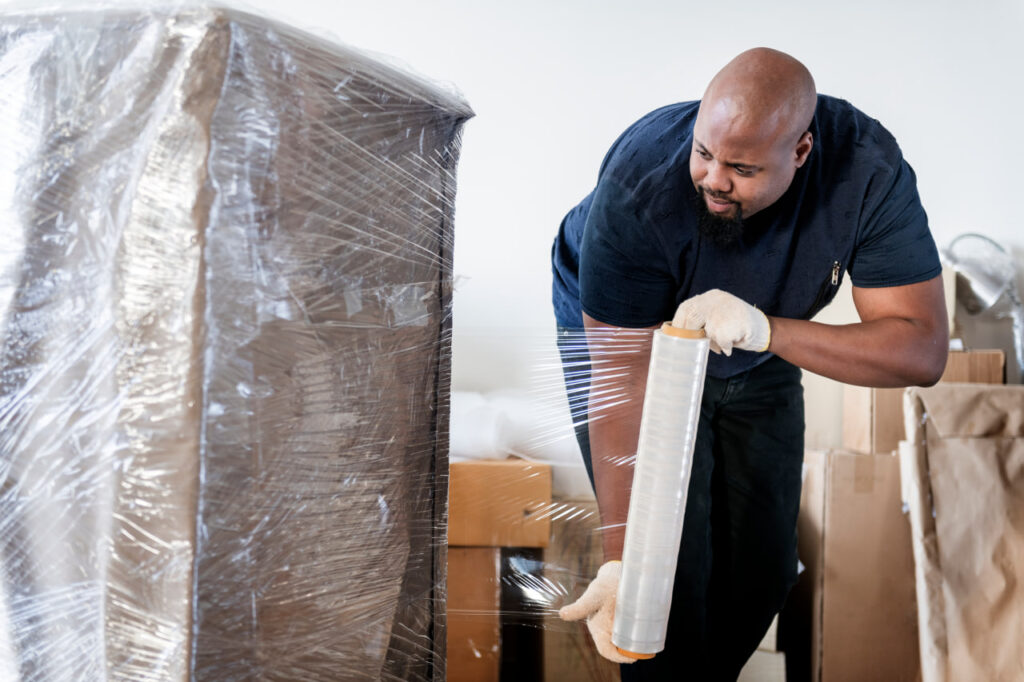
Using the right materials is the difference between a successful move and a melt-down discovery at your new house. Professional antique movers use techniques like custom wooden crating or double-boxing to add extra layers of defense.
A reputable mover will always provide a virtual or in-person walk-through of your home. This helps to:
- Spot the “high-risk” items: Document anything very heavy, oddly shaped, or especially fragile.
- Packing options: Identify items that would benefit from custom crating (and provide you with an estimate).
For high-value items, “good enough” packing isn’t an option. Look for movers with specialized techniques that go beyond bubble wrap:
- Double-Boxing: For delicate porcelain or glass, the “box-within-a-box” method creates a shock-absorber effect.
- The Crate Standard: If you have an oversized oil painting or a grandfather clock, ask your movers about custom-built wooden crates. At Scobey, we believe if an item is worth a story, it’s worth a crate.
- Climate Awareness: Remember that old wood and canvas are sensitive to Gulf Coast humidity or sudden temperature shifts. Ask your antique movers if items need special protection.
*Pro Tip: If you still have the original packaging for high-end electronics or collectibles, use them. It’s like a custom crate that you already own.

Legacy Roadmap (Stop #4): Audit Your Mover, Not Just Your Heirlooms
A move is a big life event, and you should feel confident that your mover is up to the task. Like we mentioned earlier, moving isn’t just about boxes. Those boxes contain the story you’re moving into your next chapter. As you audit your heirlooms, make sure you are also auditing the company you choose to hire.
Unfortunately, disreputable movers and moving brokers lure customers with rock bottom estimates (adding charges along the way). A reliable partner will be happy to offer an in-home estimate to make sure everyone is on the same page. Look for a company with a strong reputation in your local community, as reviews from neighbors are often the best indicator of quality. You’re looking for more than just “antique movers” with a truck. It’s about finding a moving partner you can trust.
- Read the stories in reviews: Look for comments about how the team handled fragile or high-value items.
- Request a walkthrough: This ensures the movers see your heirlooms firsthand before the big day.
- Check the credentials: Make sure the company is fully licensed, accredited, insured, and provides the valuation coverage you need.
*Pro Tip: Texas movers are required by law to register with the TxDMV. Verify that your potential mover is registered and licensed on the TxDMV Database.

Your New Chapter Starts Here
Moving is stressful enough without having to worry about your belongings arriving safely. By creating a “legacy roadmap” today, you can stop worrying about Grandma’s china and breathe a sigh of relief. Your family’s history deserves a partner who values the details as much as you do. When it comes to managing your move, you don’t have to do it on your own. With a bit of preparation and a mover (like Scobey) who cares about the details, you can start your new chapter with confidence.
Want to make sure your heirlooms are protected during your move? We’re here to create a roadmap. Give Scobey a call today and let’s get started.
FAQs About Moving Heirlooms
1. What’s the safest way to move a bulky heirloom (like an antique chandelier or large mirror)?
The safest method is often a custom wooden crate. A standard cardboard box might not have the structural integrity to support heavy, fragile items. Professional antique movers (like Scobey) can build a custom crate to the exact dimensions of your item and use specialized “buffer” materials to prevent shifting during transit.
2. Is my furniture covered if it gets damaged during a move?
All licensed Texas movers offer two levels of protection: released value coverage ($0.60 per pound), and full value coverage. For high-value heirlooms, we highly recommend full value protection to ensure your items are repaired, replaced, or settled for their actual current replacement value. Talk with one of our team members to find out which level of protection is right for you.
3. Does my homeowners insurance cover my belongings while they are in a moving truck?
It depends on your specific policy. Many standard homeowners policies don’t cover items once they leave your property. Make sure to ask your insurance agent about “In-Transit Coverage” or “Relocation Insurance” to supplement your mover’s valuation options.
4. How do I verify if a Texas moving company is reputable?
In Texas, all professional movers must be registered with the Texas Department of Motor Vehicles (TxDMV). You can verify a company’s credentials on the TxDMV database to ensure they are licensed, insured, and held to state safety standards. Make sure you’re hiring a mover and not a moving broker who sells your move to a third party.
5. How much does custom crating for high-value items cost?
Crating costs vary based on the size and complexity of the item, but they are typically calculated by the square footage of the crate and the labor required for assembly. During a Pre-Move Survey, a moving consultant can provide an accurate quote for specialized packing services.
