


Deciding what to do with unwanted furniture can be a relief. You’ve finally decided to let the dining table go, and that’s one less decision to make before the move. But until someone takes it out of the house, you still have furniture to deal with before moving day.
Your donation window is the time available to find a charity that accepts your furniture and arrange for it to leave before packing or moving day. A charity may need to review photos before offering a pickup date, so deciding to donate and confirming collection are separate steps.
You may have several ways to get that furniture out, including donation pickup, drop-off, resale, and paid removal. Which one works depends on the piece, the time available, and how much of the work you’d like someone else to handle. Full service movers can take care of the packing and transport you’ve chosen, and your Move Consultant can discuss what other help is available as you prepare to leave.
How do you choose between donating, selling, and removing furniture?
Furniture you no longer need may still be useful to someone else. The challenge is finding someone who wants the piece and can take it before you need the house empty. A charity may accept your bookcase but turn down a damaged sofa, while a buyer may be interested but unable to collect the item until after you’ve moved.
Depending on the furniture’s condition and your schedule, compare five options:
- Donation with pickup, if a local organization accepts the item and can collect it in time.
- Donation with drop-off, if you can transport an accepted item safely.
- Consignment, if a shop wants the piece and its intake arrangements fit your schedule.
- Direct resale, if you have time to photograph it, answer messages, and arrange for it to be collected.
- Paid removal, if the item isn’t accepted elsewhere or you need another collection option.
Choose a first option and a backup. For a chair in good condition, that might mean offering it for sale until a chosen date, then arranging a donation if it hasn’t sold.
If you’re still deciding what to keep, finish those decisions before promising furniture to someone else.

What should you ask before booking a furniture donation pickup?
You may have offered a dresser to a charity and be waiting to hear back while your packing date gets closer. The charity still needs to decide whether it can take the dresser and when a truck can reach your address. Until those details are confirmed, you don’t know whether that piece will leave in time.
Ask local organizations how their donation process works. For example, Habitat Home Center in San Antonio asks for details and a photo, then sends a confirmation email after reviewing and approving the donation. As you consider donation organizations, check their requirements and pickup area.
When comparing providers, ask:
- Do you accept this specific piece in its current condition?
- How far out are you scheduling in my ZIP code?
- Is collection free, and are there conditions I should know about?
- Will the crew collect from inside, or do I need to arrange another location?
- How will I know the request has been accepted and the date confirmed?
Those answers let you compare the charity’s available dates with your packing date. Until the charity confirms the pickup, keep another collection option in mind.
If a closing or job start gives you less time than you’d hoped, ask about the earliest available appointment and compare other options immediately.

Where can you donate furniture if pickup doesn’t fit your schedule?
You may find a charity that wants your furniture but can’t collect it before you move. Dropping it off could solve the timing problem, but a dining set won’t fit in every car, and you may need someone to help carry it. How you’ll get it there matters as much as where to donate furniture.
Ask the organization whether it accepts drop-offs, when someone can receive the furniture, and what condition it needs to be in. For example, Habitat Home Center in San Antonio accepts drop-offs of approved items that fit in your car, but excludes mattresses and used sleeper sofas. Check the rules at the location you’re using before loading, even if you’ve donated to a similar organization before.
Keep small household donations separate from the boxes headed to your new home. Label each container with the receiving organization, especially if different places accept different items.
Before furniture is collected or dropped off, check that drawers and cabinets are empty. Set aside personal papers, keys, or anything else that belongs with you.

When should you sell furniture or use a consignment shop before moving?
The table you bought for a large dining room may still have useful life, even if your new home won’t have space for it. If your moving date allows, you can list it for sale or ask a consignment shop whether it will take the piece.
For a direct sale, photograph the piece, give its measurements, describe visible damage, and say when collection needs to happen. Agree on who will move it out of the home. A message saying someone is interested doesn’t give you a collection date.
For consignment, ask the shop about acceptance, its share of the sale, transport, and what happens if the piece doesn’t sell. Confirm when it can leave your house, separately from when you might receive proceeds.
Set a deadline for changing plans. If selling hasn’t produced an agreed collection, give yourself time to contact the backup provider before your home needs to be empty.

What can you do with furniture a charity won’t accept?
A charity may turn down a sofa because it’s torn or missing a cushion. It may also decline a piece that’s still usable because it doesn’t accept that type of furniture. That can leave you looking for another way to get it out before your move.
Your local waste department may offer furniture collection or a drop-off site. Ask whether your address qualifies, whether it takes the piece, and which collection dates or receiving hours fit your move.
For example, San Antonio’s bulky waste collection centers currently accept furniture from eligible residential customers. The City requires a recent CPS Energy bill and photo identification, and doesn’t accept materials from commercial waste haulers. Its drop-off and curbside collection lists also differ. If you’re outside San Antonio, check your own city’s requirements before arranging transport.
A paid removal service is another option. Ask whether it accepts your piece, when it can collect, and what the quote includes. Confirm the price before authorizing the work rather than budgeting around an advertised starting price.
Before putting a sofa at the curb, check whether you need a collection appointment and when you’re allowed to set it out. If you live in an apartment or a community with its own rules, check those too.
Keep any donation receipt with your moving records and ask your tax preparer how to handle it.
How do you keep furniture donation pickups from disrupting packing?
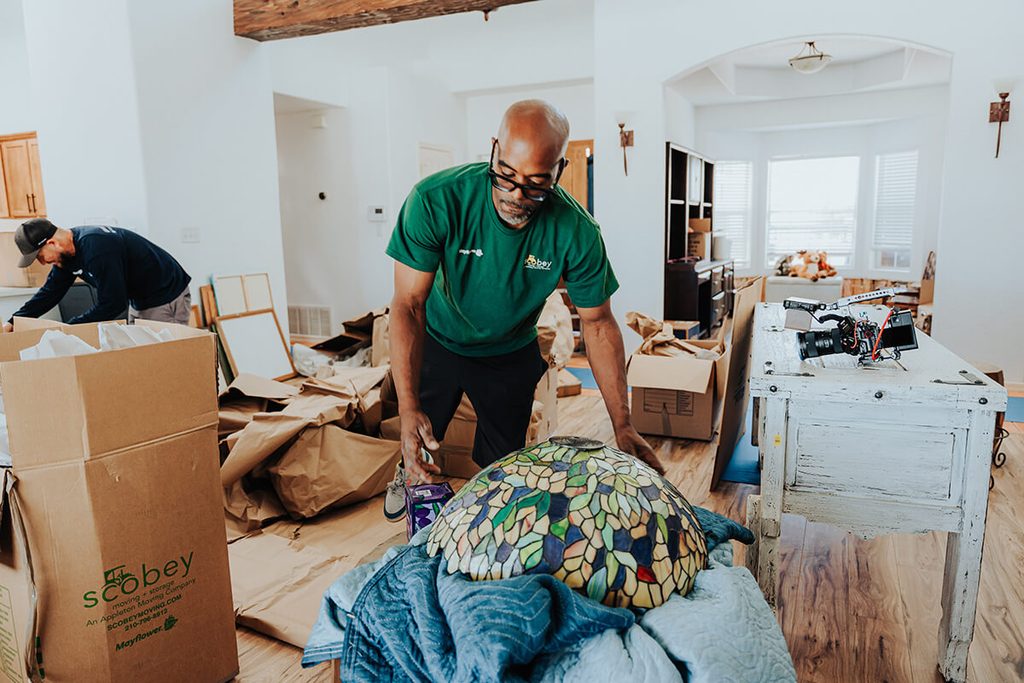
A bookcase can be promised to a charity and still be standing beside the boxes the crew needs to load. Let your mover know which pieces are excluded from the shipment and which collection dates are confirmed.
Give your Move Consultant the collection details you already have, including who’s taking each piece and any confirmed dates. They can use that information to plan the packing and loading around the furniture leaving separately. If you’d like help booking a pickup or following up with a charity, ask your Move Consultant which calls they can handle for you.
If you’d rather manage the donations yourself, keep a short list of recipients and pickup dates and share any changes with your consultant. Either way, the packing crew needs to know which furniture to leave out.
For belongings you’re taking, label boxes by room and contents if you’re packing them yourself. Keep donation containers in a clearly identified area so they don’t get mixed into the shipment.
If you’d also like help sorting belongings or removing unwanted items, ask your Move Consultant which decluttering or debris-removal services are available. Describe the items and agree on what the team can handle and the charges before relying on the mover for that work.
With full service movers, you can arrange help with the packing and transportation of the belongings going to your new home. That means fewer boxes for you to pack and someone to plan the moving work around the collection details you’ve confirmed. You can choose how much of the preparation to hand over when you discuss the services and estimate.
Scobey Moving & Storage would love to help you prepare the belongings coming with you. Show your Move Consultant what you’re keeping and which pieces someone else will collect, then discuss how much of the packing you’d like the team to handle.
Ready for help with packing and preparing for your move? Contact Scobey today to discuss the work you’d like us to handle.
Frequently Asked Questions
Giving usable furniture to someone who can collect it or arranging an approved free charity pickup can avoid a removal charge. Confirm acceptance, availability, and any conditions first; transport or paid removal may still be needed if the item is refused.
To get rid of a large piece of furniture, arrange for collection with a charity, buyer, or removal provider that can accept it and carry it out of your home. Your city or town may also offer scheduled bulky-item pickup. Check eligibility, accepted items, fees, collection dates, and curbside placement requirements before relying on that option. If the furniture must be moved to the curb, arrange help getting it there.
The best place to donate used furniture is a local organization that accepts your piece and can receive or collect it before your moving deadline. Compare its furniture guidelines, pickup area, available dates, and drop-off arrangements before choosing. A nearby donation center may be useful even if it doesn’t offer collection, provided you can arrange transport.
Empty drawers and cabinets before donating furniture so your personal belongings don’t leave with it. Check for papers, keys, jewelry, and anything else you want to keep. If the furniture is going to your new home instead, ask your Move Consultant how the crew wants it prepared for the move.
Scobey’s packing services can be useful when donation arrangements leave you little time to pack the belongings you’re keeping. Discuss the packing scope with your Move Consultant and identify the pieces leaving separately so they’re excluded from the household shipment.

Eric Barker is the Vice President of Commercial Services at Central Transportation Systems and a recognized voice in the moving and relocation industry. With over a decade of experience in military household goods logistics, operations, and commercial moving services, Eric has played an active role in shaping conversations around the future of PCS (Permanent Change of Station) moves and military relocation policy. He currently serves on the board of the Southwest Movers Association and the IAM DAB DMV (International Association of Movers, Distinguished Agents Board, DMV chapter), reflecting his ongoing commitment to industry leadership and standards. He recently joined industry leaders at the 50th Annual Dispatchers Convention to discuss the major structural changes affecting military moving in 2026. Through his leadership and operational expertise, Eric helps ensure military families receive reliable, efficient, and professionally coordinated moving services during periods of significant industry transition.