

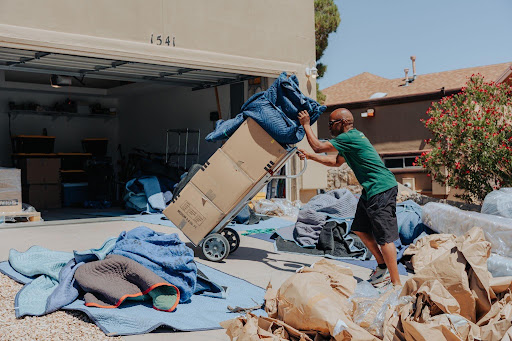
When a moving truck pulls up to a home in Waco, there are really two different experiences waiting on the other side of the ramp. One is a standard crew that hustles boxes onto the truck as quickly as possible, wraps what is convenient, and hopes nothing shifts during a long haul. The other is a team of white glove movers in Waco that arrives with padded blankets, custom crating materials, and a plan for every staircase, doorway, and delicate piece before a single box gets lifted. When your belongings are about to spend hours or days on the road, the difference between the two usually shows up the moment something goes wrong, or better yet, the moment nothing does.
Waco’s housing stock makes that difference matter even more. A century-old bungalow near Austin Avenue, with its original hardwood floors and narrow hallways, calls for a completely different approach than a newly built two-story home in Woodway with an open floor plan and a three-car garage. Premium crews are trained to read a home and adjust their handling accordingly, rather than applying the same routine to every job on the schedule. This guide focuses on households leaving Waco for another Texas city or another state, and it breaks down what white glove service actually includes, why it matters so much on a longer move, and how to separate a real premium mover from one that only uses the term as a marketing label.
Homeowners often assume that “premium” moving is simply a pricier version of the same basic service, but that assumption misses what actually changes when a company commits to true white glove standards. It changes who touches your belongings, how those belongings are protected at every stage, and how much of the physical and mental workload gets lifted off your shoulders between the day you decide to leave Waco and the day your new home finally feels settled.
What “White Glove” Actually Means in the Moving Industry
The phrase gets used loosely across the moving industry, which makes it hard for homeowners to know what they are actually paying for. True white glove service is full-service handling from start to finish. It includes professional packing of every room, careful disassembly of furniture that will not fit through doorways whole, protective wrapping of individual pieces, secure loading and transport, and then unpacking and placement once the truck arrives at the new address. It is not simply “movers who are careful.” It is a complete process built around the idea that the client should not have to lift a finger or make a single logistical decision.
That distinction matters because a standard moving crew can absolutely be careful and professional while still only offering transport, meaning the client packs their own boxes, disassembles their own furniture, and unpacks everything themselves once the truck arrives. White glove service closes every one of those gaps. It treats the move as one continuous job rather than a series of separate tasks handed off between the mover and the homeowner.
It also changes the pace of the work itself. A transport-only crew is often paid and scheduled around how quickly a truck can be loaded and sent down the road, which naturally pushes toward speed over precision. A white glove crew is scheduled with enough time built in for the slower, more deliberate steps that protect a home’s floors, walls, and doorframes, along with everything being carried through them. That built-in time is one of the least visible parts of premium service, but it is often the reason nothing gets damaged in the first place.
Why Distance Raises the Stakes for Your Belongings
A move out of Waco puts your belongings through far more than a short trip across town ever would. Furniture spends hours or even days on the road, absorbing vibration over highway miles, shifting weight as the truck brakes and accelerates, and sitting through whatever the weather decides to do along the route. A piece that would survive a fifteen-minute drive without complaint can develop loosened joints, scuffed corners, or cracked glass over several hundred miles if it was not wrapped, braced, and loaded with that distance in mind.
That is why a long-distance white glove move starts with a different kind of planning. The crew thinks about load order so that heavy items sit low and toward the front, fragile pieces are protected from pressure, and nothing is wedged against something that could shift. It thinks about how items will come off the truck at the other end, so the pieces you need first are easy to reach. Households heading to Dallas, Fort Worth, Austin, Houston, or San Antonio are covering real distance, and families leaving Texas entirely are covering even more. If you are weighing options for that kind of trip, our long-distance moving from Waco page walks through how those moves work from start to finish.
The Training and Equipment Gap Between Premium and Standard Crews
The difference between a standard crew and a white glove crew is not just attitude. It comes down to training and equipment that most moving companies simply do not invest in. Premium crews train specifically on furniture disassembly and reassembly, so a four-poster bed or a sectional sofa gets taken apart correctly instead of forced through a doorway at an awkward angle. They use specialty crates built to the dimensions of individual pieces rather than generic boxes, along with furniture pads, corner protectors, and shrink wrap designed to prevent scuffing during transit.
Central Texas heat is worth planning around too, especially during summer moves. A good white glove crew can help you figure out which pieces are most sensitive to heat, from wood veneer to leather to electronics, and plan how to protect them, whether that means careful wrapping and loading order or climate-controlled storage when timing requires it.
The training gap shows up in smaller ways too, like how a crew wraps a flat-screen television, how they protect a mattress from road dust over a long route, or how they label boxes so unpacking at the new home actually follows a logical room-by-room order instead of a random pile in the garage. None of these details are complicated on their own, but a crew that has been drilled on dozens of them consistently produces a noticeably smoother move than a crew improvising on the spot.
Why Waco Homes Call for This Level of Care
Waco’s mix of historic and newer construction is exactly why premium moving service has become so relevant for households leaving the city. Consider three very different scenarios that a crew might handle in the same week.
- Narrow staircases in Castle Heights bungalows, where original construction from the early twentieth century means tight turns, low ceilings near the stairwell, and doorframes that were never built with modern furniture dimensions in mind.
- Converted lofts and mixed-use buildings in downtown Waco, where hallways, stairwells, and loading access vary from building to building, so a crew needs to confirm access details well before moving day.
- Long driveways and larger furniture pieces are common in Hewitt and Woodway’s newer subdivisions, where homes are bigger but the logistics of getting oversized items from a truck parked at the curb to a bedroom on the second floor still require careful planning.
Each of these situations calls for a different strategy, and that is the entire point of white glove service. A crew that only knows how to load a truck quickly will struggle in a hundred-year-old home with plaster walls and narrow hallways. A crew trained for full-service handling walks into any of these homes with a plan already in mind.
Central Texas weather adds another layer to the equation. Summer humidity swells wood and can make doorframes and stairwells even tighter than they measure on paper, while sudden thunderstorms mean a crew needs to move quickly and protect belongings from moisture the moment they leave the front door. Waco’s position along I-35 also means a steady stream of households relocating out of the city entirely, whether that is a job transfer up to Dallas or Fort Worth, a move down to Austin or San Antonio, or a longer haul out of state, and a crew experienced with these routes plans loading order and timing differently than it would for a short trip across town.
What Premium Service Protects Against
The risks of a rushed, standard move are not hypothetical. Scratched hardwood floors, chipped baseboards, and damaged heirlooms are some of the most common complaints homeowners have after a move that was not handled carefully. A grandfather clock or a marble-top dresser that has been in the family for three generations cannot simply be replaced if it is damaged in transit, and the emotional cost of that kind of loss is often worse than the financial one.
There are hidden costs to a rushed move as well. A homeowner who has to spend a weekend reassembling furniture that was disassembled incorrectly, or who discovers a scratch on a new hardwood floor days after the crew has left, ends up paying in time and stress even if the moving invoice itself looked affordable. Premium service is designed to prevent those costs from ever showing up in the first place, which is why it should be viewed as an investment in protecting what matters rather than a luxury add-on.
There is also a practical claims angle worth understanding before moving day. Reputable movers offer valuation coverage on the items they transport, which is a different legal arrangement than traditional insurance. Ask any mover directly how their coverage works and what documentation you would need if a claim ever became necessary, since a company that cannot explain this clearly is one to be cautious about, regardless of how polished their marketing looks.
How to Evaluate a Premium Mover Before You Book
Not every company that advertises white glove service actually delivers it, so it helps to know what questions separate a real premium operation from a marketing label.
- Ask how crew members are trained specifically in furniture disassembly, crating, and handling of fragile or high-value items, rather than general loading and unloading.
- Ask what equipment is standard on every job, including furniture pads, specialty crates, and protective wrapping, rather than optional add-ons priced separately.
- Ask how the estimate is built. A reputable company will review your home through an in-home or virtual walkthrough, and either format works well when it is thorough, rather than quoting a flat rate over the phone based on square footage alone.
- Ask about the company’s experience with long-distance moves specifically, including how loads are planned, braced, and tracked over a longer route.
A homeowner who understands the cost of moving in Texas and how estimates are structured is in a much better position to compare quotes accurately and spot a company that is cutting corners.
It is also worth asking how the company is set up to handle a long-distance job from beginning to end. A mover with the backing of a national network can offer more consistent standards across the whole route, which tends to deliver a more predictable result than patching together separate vendors for packing, transport, and delivery.
What to Expect on Moving Day
A well-run white glove move starts with a walkthrough. The lead crew member confirms the plan for each room, flags any pieces that need special handling, and reviews access points like stairwells and narrow hallways before anything gets touched. From there, the crew stages the home with protective materials such as floor runners, door jamb padding, and corner guards to prevent damage to the property itself during the move, not just the belongings inside it.
Throughout the day, a good crew keeps the homeowner informed of progress rather than disappearing into the work. That communication continues once the truck arrives at the new home, where the same level of care applies to placement, furniture reassembly, and unpacking, so the job is not considered finished until everything is set up and functional.
Homeowners leaving Waco for a job in another Texas city or an out-of-state relocation sometimes assume the added distance means less hands-on attention to the home itself, but the opposite tends to be true. Longer moves involve more loading, more transit time, and more opportunities for something to shift along the way, which is exactly why a rushed crew is most likely to cut corners on protective staging or careful loading over the course of a multi-day route. A premium crew holds the same standard from the first box loaded in Waco to the last piece placed at the new home, whether that home is a few hours up I-35 or on the other side of the country.
For Waco homeowners planning a full-service move to a new city, this is often the deciding factor. It is the difference between arriving after a long haul to boxes everywhere and arriving at a home that already feels lived in.
Protecting What Matters Most on the Road Ahead
White glove movers in Waco represent an investment in protecting what matters, not a luxury reserved for oversized budgets. That is especially true when belongings are heading hundreds of miles away, and when so many Waco homes, from Castle Heights bungalows to Baylor-area properties, carry real historic or sentimental value that simply cannot be replaced if something goes wrong. Choosing a mover who understands both the technical side of careful handling and the specific challenges of Waco’s housing stock is one of the most practical decisions a homeowner can make before moving day arrives. It also tends to pay off long after the boxes are unpacked, since a home that moves in without new scuffs on the baseboards or a chipped stair rail is one less repair project competing for time and budget in those first hectic weeks of settling in.
A Century of Careful Moves Across Texas and Beyond
Scobey Moving and Storage has served Texas families since 1913, and that detail-first approach is paired with the resources of Mayflower Transit, one of the most recognized names in the moving industry nationwide. All of our crews are trained in the specialty handling, custom crating, and careful communication that true white glove service requires. If you are planning a move out of Waco that involves fragile items, a historic property, or simply a level of care your belongings deserve, request a free in-home or virtual consultation through our contact page and a Move Consultant will walk you through exactly what a premium move with Scobey looks like.
Frequently Asked Questions
What is the difference between white glove moving and standard moving?
Standard moving typically covers transport only, meaning the homeowner packs, disassembles furniture, and unpacks on their own. White glove moving covers the entire process, including professional packing, disassembly and reassembly of furniture, protective crating for fragile items, and full placement and unpacking at the new home.
Does white glove moving cost significantly more?
White glove service does cost more than basic transport because it includes far more labor, materials, and specialized equipment. Most homeowners find the added cost is offset by the time saved and the reduced risk of damage to high-value or sentimental items, which is why it is best understood as an investment rather than a simple upgrade.
Can white glove movers handle antiques and fine art?
Yes. Premium crews are trained in custom crating and soft-wrap padding techniques specifically designed for antiques, fine art, and other delicate pieces. Ask any prospective mover directly about their experience with period furniture and fragile items before booking, since not every company invests in this specialized training.
How far in advance should I book a white glove move out of Waco?
Booking four to eight weeks ahead is a good general guideline, though this can shift depending on the season. Peak moving months, which tend to line up with the end of the school year and Baylor’s academic calendar, often fill up faster, so earlier booking gives you more flexibility on scheduling and crew availability. Summer moves in particular benefit from extra lead time, since demand tends to peak right alongside the season’s heat.
Is white glove moving available for moves to another Texas city, or only out of state?
Both. A move from Waco to Houston covers real distance, but it stays inside Texas, so it is an intrastate move regulated by the Texas Department of Motor Vehicles, while a move that crosses state lines is an interstate move under federal rules. The level of care and the services included stay the same either way, and your Move Consultant can explain how your specific move is classified.

Rachel Mance, CMC, is a seasoned relocation professional with over a decade of experience in the moving and relocation industry. As a Certified Moving Consultant and Director of Sales at Scobey Moving & Storage, part of Central Transportation Systems, she specializes in delivering seamless, personalized moving solutions for families and corporate clients. Rachel is recognized for her expertise in sales leadership, operational strategy, and enhancing the customer experience. She actively engages with industry organizations, contributing to professional standards and networking initiatives. Based in San Antonio, Texas, Rachel combines practical experience and industry insight to guide clients through complex domestic and international moves.