

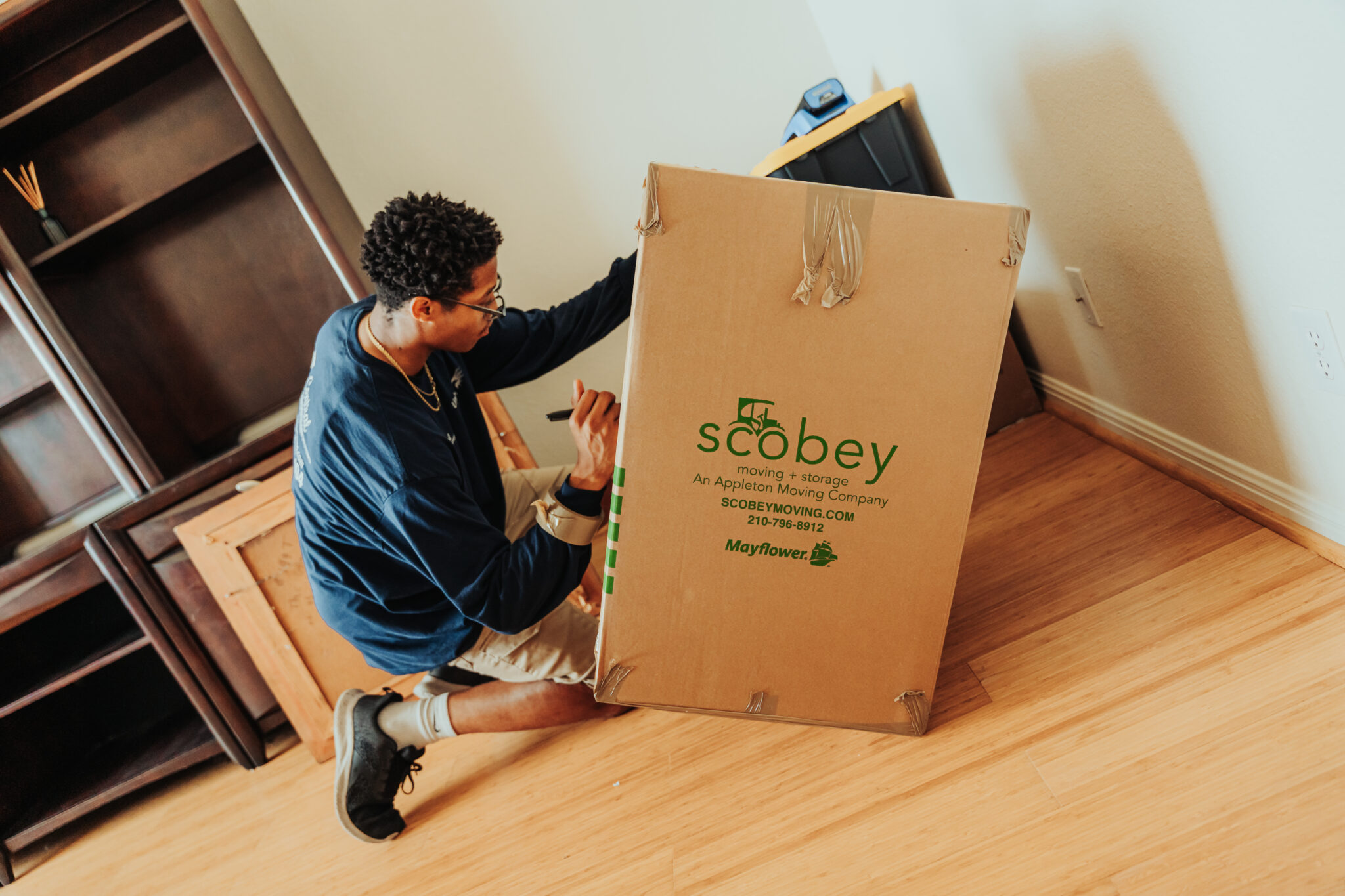
A standard crew drapes one moving pad over your grandmother’s china hutch and slides it into the truck next to a box of shoes. A white glove mover looks at the same hutch and sees loose glass shelves, delicate crown molding, and a piece of family history that no claim check could ever replace. That difference in how the crew sees your belongings shapes everything that happens on moving day.
Both services get your things from one home to the next. The gap shows up in the planning, the packing materials, the training, and the way each crew treats the items you care about most. This guide takes an honest look at what actually changes when you step up to white glove service, where standard movers do perfectly good work, and how to decide which level of care your move really needs.
What a Standard Moving Crew Handles Well
Standard full-service movers do solid, reliable work. A good crew wraps furniture in moving pads, shrink-wraps upholstered pieces, loads the truck so weight stays balanced, drives your belongings to the new address, and places furniture in the rooms you point to. For most households, that covers the bulk of what they own, from sofas and bed frames to boxed kitchenware, books, and clothing.
Standard service makes sense when your furniture is newer, easy to replace, or sturdy enough to handle normal transit. A flat-pack bookcase or a mass-market sectional does not need a custom wooden crate. Paying for white glove treatment on every item in a home like that spends money without adding real protection.
Here is the truth that many moving guides skip: most moves do not need white glove service from top to bottom. Many moves need it for a handful of pieces. Knowing which pieces fall into that group is the first step toward spending your moving budget wisely.
Where a White Glove Mover Changes the Approach
The biggest difference starts weeks before the truck arrives. A white glove team walks through your home, either in person or over a video call, and builds a plan around specific items rather than a general room count. The crew lead notes which pieces need crating, which need disassembly, which can never tip onto their side, and which need four people instead of two. That walkthrough turns a generic job into a move with a plan for every fragile object.
The inventory changes too. On a standard move, crews usually tag items with numbered stickers and a short description. White glove crews often go further, recording condition notes and taking photos of valuable pieces before anyone lifts them. If a question comes up after delivery, you have a clear record of how each item looked when it left your old home.
Then come the materials. White glove crews pack silver and textiles in acid-free tissue, protect framed art with foam corner guards, slide mirrors into telescoping mirror cartons, and pack fine china in double-walled dish packs with cell dividers. Stone tabletops get layered pads, stretch wrap, and rigid board, and they travel on edge rather than lying flat, because marble cracks under its own weight when it flexes.
Training ties it all together. White glove crews know how to remove and secure the weights and pendulum from a grandfather clock, how to take down a crystal chandelier without bending a single arm, and how to tip a grand piano onto a piano board after removing its legs and lyre. A standard crew may handle these items occasionally. A white glove crew handles them every week.
Custom Crating for Pieces a Box Can’t Protect
Some items need a wooden crate built to their exact dimensions. Marble and granite tabletops, large mirrors, glass shelving, sculpture, and framed art behind glass all fall into this group. A properly built crate suspends the piece in foam, keeps pressure off fragile edges, and stops the item from shifting as the truck brakes and turns. Crating adds cost, but for a piece worth thousands of dollars, a crate costs far less than a restoration.
The Small Details You Notice on Moving Day
White glove crews protect the house as carefully as the furniture. Expect floor runners over hardwood and carpet, padding on door jambs, wrap on staircase banisters, and corner guards where a dresser could clip the drywall on a tight turn. The crew sets up that protection at both homes, not just the one you are leaving.
The work also continues after the truck unloads. White glove crews typically reassemble bed frames and dining tables, place furniture according to a floor plan, unpack boxes and set items on shelves, and haul away the packing paper and cartons. You walk into a home that looks lived in, not a garage full of boxes.
Texas adds one more detail that matters. The inside of a parked moving truck in July can climb far above the outdoor temperature, and wood veneer, oil paintings, candles, vinyl records, electronics, and wine all react badly to that kind of heat. A thoughtful crew starts early in summer, loads heat-sensitive items last, and unloads them first. If your move includes a gap between homes, ask about climate-controlled storage rather than a standard unit, since humidity swings can warp wood and loosen glued joints over a few weeks.
Valuation Coverage Works Differently Than Most People Expect
Many people assume their mover insures their belongings. In reality, movers offer valuation, which follows a different legal process and different rules than insurance. Valuation sets the mover’s liability if something gets lost or damaged while in their care.
Most moves come with two common levels. Released Value costs nothing extra, but it pays a minimal amount per pound, per item. Under that option, a ten-pound antique vase receives the same small payout as ten pounds of paperback books. Full Value Protection costs more, and under it the mover repairs the damaged item, replaces it, or pays its current market value, based on the terms you agree to.
Full Value Protection works best when your mover knows exactly what is valuable. Movers often refer to high-dollar, lightweight pieces as items of extraordinary value, and you need to list them on the inventory before the truck leaves. Leaving a valuable painting off that list can limit what you recover if something goes wrong.
If you want protection beyond what valuation provides, you can buy third-party moving insurance through an outside insurance provider. It also pays to check your homeowners or renters policy, since some policies extend to belongings in transit.
Is the Higher Price Worth It for Your Move?
White glove service costs more than a standard move because it takes more time, more materials, and more experienced crews. Whether that cost pays off depends on what you own and where you are moving.
The service makes the strongest case for inherited furniture, art collections, antiques, pianos, and designer pieces that would cost more to repair than to protect. It also fits moves into high-rise buildings with strict elevator schedules, and households on a tight timeline that need the new home set up and livable on the first night.
You can also take a middle path. Many movers let you add white glove handling for select items, such as a piano, a marble dining table, and a few paintings, while standard service covers the rest of the home. That hybrid approach keeps the budget reasonable and still protects the pieces that matter most.
Questions to Ask Before You Book
The phrase white glove has no single legal definition, so two companies can use it to describe very different services. These questions help you compare them fairly:
- Do you build crates in-house, or do you subcontract that work? In-house crating means the people who built the crate understand how the piece needs to travel.
- Are your crews background-checked and trained for specialty items? You deserve to know who will work inside your home and whether they have moved pieces like yours before.
- What valuation options come with the quote? Get the coverage level in writing and ask how the claims process works.
- Is the estimate binding? A binding estimate locks in the price for the listed services, which protects you from surprise charges on moving day.
- What exactly does white glove include with your company? Ask for a written list that covers packing, crating, reassembly, unpacking, and debris removal.
Choosing the Level of Care Your Belongings Deserve
A standard crew moves your things. A white glove crew moves your things while protecting their condition, their value, and the house around them. The difference lives in the walkthrough, the custom crates, the floor runners, and the careful hands that set your grandmother’s hutch in its new corner without a scratch. If your home holds pieces you could never replace, a white glove mover earns its price by preventing the damage you can’t undo.
Care That Starts Long Before the Truck Arrives
Scobey Moving and Storage has moved Texas families since 1913, and as a Mayflower Transit agent, we bring that experience to moves across the state and across the country. Our crating and rigging team builds custom crates for art, stone, and glass, and all of our crews pass background checks before they ever step inside a customer’s home. Every move starts with a dedicated Move Consultant who walks through your home, in-home or virtual, identifies the pieces that need special care, and provides a binding quote so you know your price up front. If your home holds pieces that deserve more than a moving blanket, schedule a free white glove consultation with Scobey Moving and Storage and let us build a plan around them.
Frequently Asked Questions
Does a white glove mover provide insurance for my belongings?
Movers do not sell insurance. They offer valuation, which sets how much the mover is liable for if something gets lost or damaged. Full Value Protection gives you the strongest coverage a mover offers, and you can buy separate third-party moving insurance through an outside provider if you want extra protection.
How much more does a white glove mover cost than standard movers?
The price depends on the size of your home, how many items need crating, and how far you are moving. Expect a noticeably higher cost than standard full-service moving because of the added labor, materials, and training. A walkthrough gives you an accurate number for your specific move.
Can I book white glove service for just a few items?
Yes. Many movers offer white glove handling for select pieces like a piano, artwork, or an antique dining set, while the rest of your home moves with standard service.
Do white glove movers unpack and set up furniture?
Most do. Typical services include furniture reassembly, placement by room, unpacking, and debris removal, but you should confirm the exact list in writing before moving day.
How far in advance should I book a white glove mover?
Four to eight weeks ahead works well for most moves. Book earlier for summer moves or for moves that need custom crating, since crate building takes extra lead time.

Rachel Mance, CMC, is a seasoned relocation professional with over a decade of experience in the moving and relocation industry. As a Certified Moving Consultant and Director of Sales at Scobey Moving & Storage, part of Central Transportation Systems, she specializes in delivering seamless, personalized moving solutions for families and corporate clients. Rachel is recognized for her expertise in sales leadership, operational strategy, and enhancing the customer experience. She actively engages with industry organizations, contributing to professional standards and networking initiatives. Based in San Antonio, Texas, Rachel combines practical experience and industry insight to guide clients through complex domestic and international moves.